How to Choose the Right Wallet for You
Choosing the right wallet is more than just a matter of style; it’s about functionality, security, and personal preference. With so many options available, from minimalist cardholders to spacious travel wallets, it can be overwhelming to find the perfect fit for your needs. This guide will help you navigate the various types of wallets, materials, and features to consider, ensuring you make an informed decision.

Understanding Your Needs
Before diving into the different types of wallets, it’s essential to assess your personal needs. Consider the following questions:
What do you carry? Do you need to store cash, cards, coins, or all three?
How often do you travel? If you travel frequently, you might need a wallet that accommodates passports and boarding passes.
What’s your style? Your wallet should reflect your personal style, whether it’s casual, formal, or somewhere in between.
By answering these questions, you can narrow down your options and focus on what truly matters.
Types of Wallets
1. Bifold Wallets
Bifold wallets are a classic choice, featuring two sections that fold in half. They typically offer ample space for cards and cash without being overly bulky.
Pros:
Compact and easy to carry
Often made from durable materials like leather
Available in various styles and colors
Cons:
Limited space for coins
Can become bulky if overstuffed
2. Trifold Wallets
Trifold wallets expand on the bifold design by adding a third section, providing more storage options. They are ideal for those who carry a lot of cards or cash.
Pros:
More storage capacity
Organized compartments for easy access
Cons:
Can be bulkier than bifold wallets
May be less comfortable to carry in a pocket
3. Minimalist Wallets
Minimalist wallets are designed for those who prefer to carry only the essentials. They are slim and lightweight, often made from materials like carbon fiber or leather.
Pros:
Extremely lightweight and compact
Encourages you to carry only what you need
Cons:
Limited storage for cash and cards
May not suit everyone’s needs
4. Travel Wallets
Travel wallets are designed for globetrotters, offering space for passports, tickets, and multiple currencies. They often come with additional security features.
Pros:
Ample storage for travel documents
Often includes RFID protection
Cons:
Can be bulkier than everyday wallets
May not be suitable for daily use
5. Coin Wallets
If you frequently deal with coins, a coin wallet might be the right choice. These wallets are specifically designed to hold coins securely.
Pros:
Keeps coins organized and accessible
Often compact and easy to carry
Cons:
Limited space for cards and cash
Not suitable as a primary wallet
Materials Matter
The material of your wallet can significantly impact its durability, appearance, and functionality. Here are some common materials used in wallet construction:
Leather
Leather wallets are timeless and durable. They develop a unique patina over time, adding character. However, they can be more expensive and require maintenance to keep them looking good.
Fabric
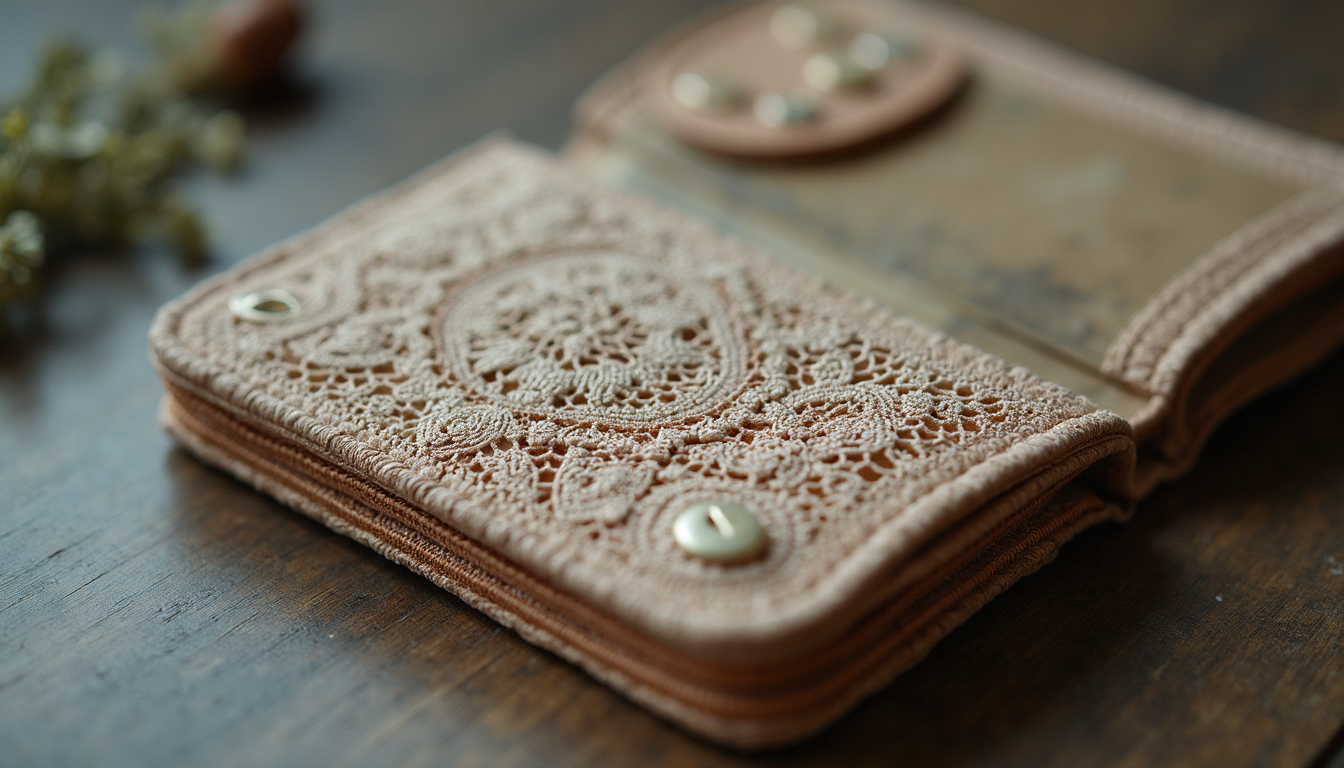
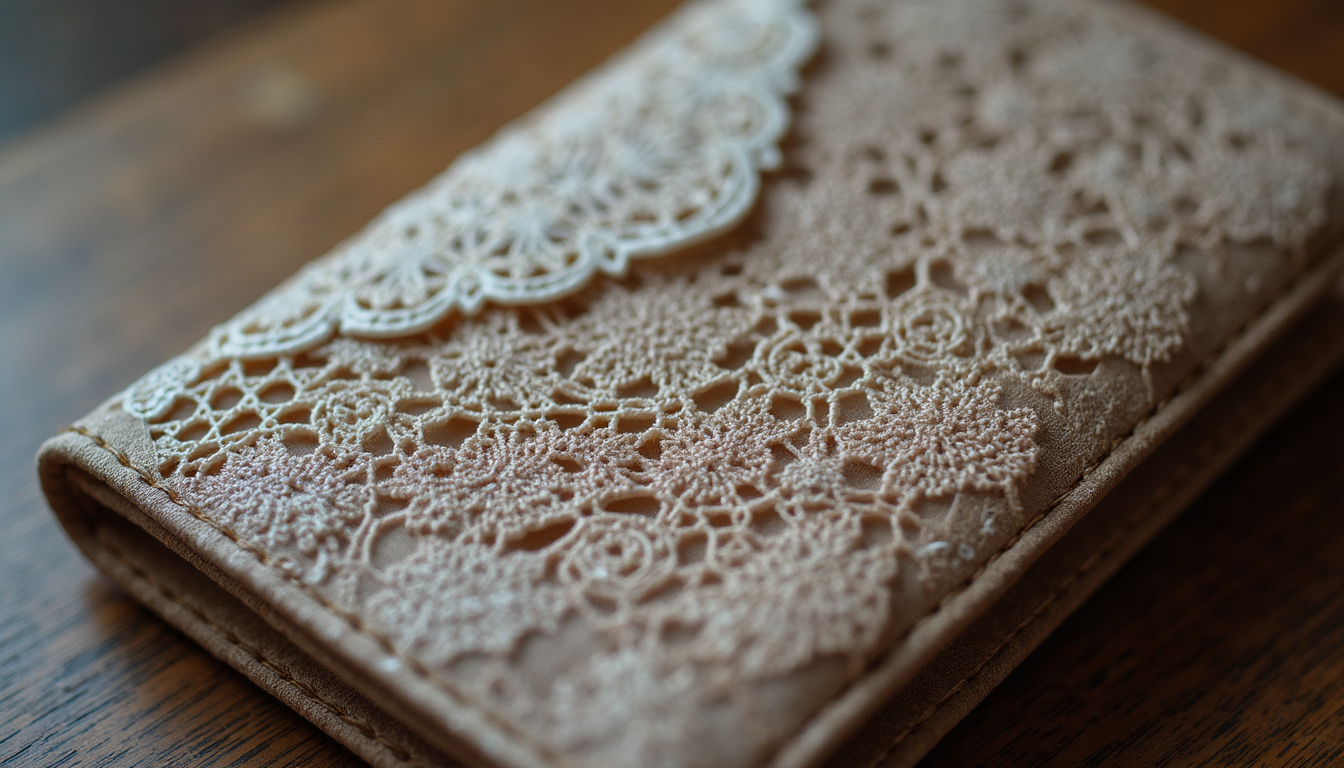
Fabric wallets are often lightweight and come in various colors and patterns. They can be machine-washable but may not offer the same level of durability as leather.
Synthetic Materials
Wallets made from synthetic materials like nylon or polyester are often more affordable and water-resistant. They can be a great option for those who want a durable wallet without the price tag of leather.
Metal
Metal wallets are gaining popularity for their sleek design and durability. They often come with RFID protection, making them a secure choice for tech-savvy individuals.
Features to Consider
When choosing a wallet, consider the following features that can enhance your experience:
RFID Protection
With the rise of electronic pickpocketing, RFID protection has become a crucial feature. Look for wallets that offer this technology to keep your cards safe from unauthorized scanning.
Zippered Compartments
If you often carry coins or small items, a wallet with zippered compartments can help keep everything organized and secure.
ID Windows
An ID window allows for easy access to your identification without having to remove it from the wallet. This feature is especially useful for those who frequently need to show their ID.
Customization Options
Some brands offer customizable wallets, allowing you to choose colors, materials, and even engravings. This can add a personal touch to your wallet.
Budget Considerations
Wallets come in a wide range of prices, from budget-friendly options to high-end designer pieces. Determine your budget before shopping to avoid overspending. Remember that a higher price doesn’t always guarantee better quality, so look for wallets that offer a good balance of price and features.
Popular Brands to Explore
When searching for the right wallet, consider exploring these popular brands known for their quality and design:
Bellroy: Known for their minimalist designs and sustainable materials.
Tumi: Offers high-quality travel wallets with a focus on functionality.
Ridge Wallet: Specializes in metal wallets with RFID protection.
Fossil: Combines classic styles with modern features.
Conclusion
Choosing the right wallet is a personal decision that should reflect your lifestyle, preferences, and needs. By understanding the different types of wallets, materials, and features available, you can make an informed choice that suits you best. Remember to consider your daily activities and how you plan to use your wallet. Whether you opt for a minimalist design or a spacious travel wallet, the right choice will enhance your daily routine and keep your essentials organized.
Take your time to explore your options, and don’t hesitate to invest in a wallet that truly meets your needs. Happy wallet hunting!
Comments