Tips for Organizing Your Wallet Efficiently
In a world where convenience is key, a cluttered wallet can be a significant source of frustration. Whether you’re rummaging through a pile of receipts, searching for that one specific card, or dealing with an overflowing collection of coins, an unorganized wallet can slow you down. Fortunately, with a few simple strategies, you can transform your wallet into a streamlined tool that enhances your daily life. Here are some practical tips for organizing your wallet efficiently.

Assess Your Wallet's Contents
Before diving into organization, take a moment to assess what’s currently in your wallet. Empty it out completely and categorize the items you find. Common categories include:
Cards: Credit cards, debit cards, loyalty cards, and identification.
Cash: Different denominations of bills.
Receipts: Recent purchases, warranties, or important documents.
Coins: Loose change that often accumulates.
By categorizing your items, you can identify what you truly need and what can be discarded or stored elsewhere.
Keep Only What You Need
Once you’ve assessed your wallet's contents, it’s time to declutter. Here’s how to decide what to keep:
Essential Cards: Keep only the cards you use regularly. This typically includes your primary credit/debit card, ID, and perhaps one or two loyalty cards.
Cash: Limit the amount of cash you carry. A few bills for emergencies or small purchases is usually sufficient.
Receipts: Only keep receipts for items you may need to return or for significant purchases. Consider digitizing receipts by taking photos and storing them on your phone.
Coins: If you find yourself with a lot of coins, consider using a separate coin pouch or jar at home to avoid cluttering your wallet.
Use Wallet Dividers or Organizers
If your wallet allows it, consider using dividers or small organizers to keep everything in its place. Here are some options:
Card Holders: Use a cardholder for your most-used cards. This keeps them easily accessible and prevents them from getting lost among other items.
Coin Pouches: A small pouch for coins can help keep your wallet neat. Look for one that fits comfortably in your wallet without taking up too much space.
Receipt Holders: If you must carry receipts, consider a small holder specifically for them. This keeps them organized and prevents them from getting crumpled.
Implement a Regular Maintenance Routine
Keeping your wallet organized is not a one-time task. To maintain its efficiency, implement a regular maintenance routine. Here’s how:
Weekly Check: Set aside a few minutes each week to review your wallet. Remove any unnecessary items, such as old receipts or expired cards.
Monthly Deep Clean: Once a month, do a more thorough clean. This includes checking for items that may have slipped in, like old coupons or business cards.
Seasonal Review: Every few months, evaluate whether your wallet still meets your needs. If your spending habits change or you acquire new cards, adjust accordingly.
Choose the Right Wallet for Your Needs
The type of wallet you use can significantly impact your organization efforts. Here are some factors to consider when choosing a wallet:
Size: A wallet that is too large can encourage clutter, while one that is too small may not hold everything you need. Find a balance that works for you.
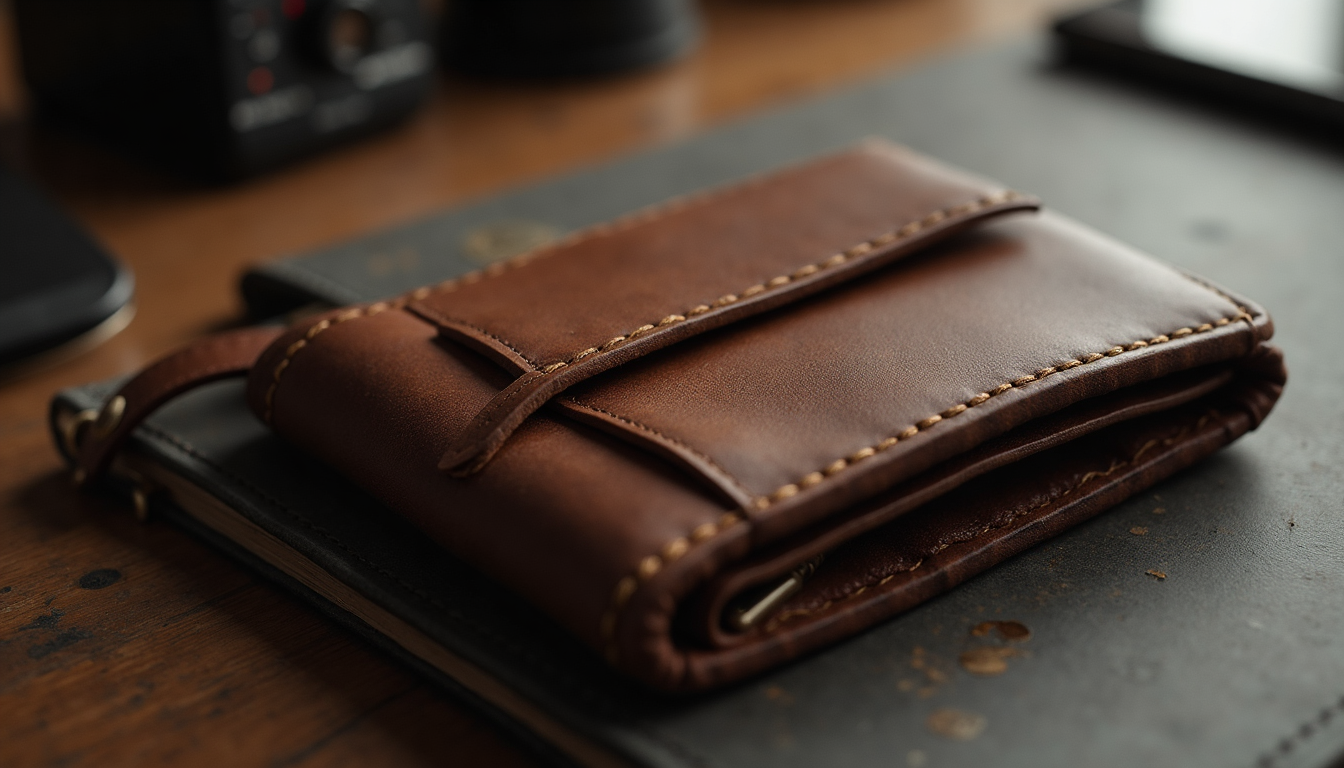
Material: Consider a wallet made from durable materials that can withstand daily use. Leather, for example, is both stylish and long-lasting.
Design: Look for a wallet with multiple compartments. This will help you keep cards, cash, and coins organized without mixing them together.
Digital Wallets as an Alternative
In today’s digital age, many people are turning to digital wallets as a way to reduce physical clutter. Here are some benefits of using a digital wallet:
Convenience: Digital wallets allow you to store multiple cards in one place, reducing the need to carry a physical wallet.
Security: Many digital wallets offer enhanced security features, such as encryption and biometric authentication.
Easy Access: With a digital wallet, you can access your cards and payment methods quickly, making transactions smoother.
If you decide to go digital, ensure you choose a reputable app and keep your device secure.
Personalize Your Wallet Organization
Everyone has different preferences when it comes to organization. Here are some personalized tips to help you create a wallet system that works for you:
Color Coding: If you have multiple cards, consider color coding them. For example, use a specific color for all loyalty cards and another for credit cards.
Prioritize Accessibility: Place the cards you use most frequently in the most accessible slots. This will save you time when you need to make a quick purchase.
Use Labels: If your wallet has clear compartments, consider using small labels to identify what goes where. This can be particularly helpful for receipts or less frequently used cards.
Know When to Upgrade
Sometimes, an old wallet can be the root of your organizational issues. If your wallet is worn out or no longer meets your needs, it may be time for an upgrade. Look for a wallet that offers:
Better Organization Features: Newer wallets often come with improved designs that make organization easier.
Durability: Invest in a wallet made from high-quality materials that will last longer and withstand daily wear and tear.
Style: Choose a wallet that reflects your personal style. A wallet you love will encourage you to keep it organized.
Conclusion
An organized wallet can significantly enhance your daily routine, making it easier to find what you need when you need it. By assessing your contents, keeping only what you need, and implementing a regular maintenance routine, you can create a wallet that works for you. Whether you choose to stick with a traditional wallet or explore digital options, the key is to find a system that fits your lifestyle. Start today, and enjoy the benefits of a well-organized wallet!
Comments